Showing posts with label pollinators. Show all posts

Wednesday, July 16, 2025

Native Plant Society Meeting


The next meeting of the Wichita River Chapter Native Plant Society will be tomorrow, Thursday, July 24, at 6:00 PM, at the Forum on Speedway. The subject is "How to Create a Pollinator-Friendly Garden...Without Completely Renovating Your Yard!" The meeting is open to the public.

Friday, December 20, 2024

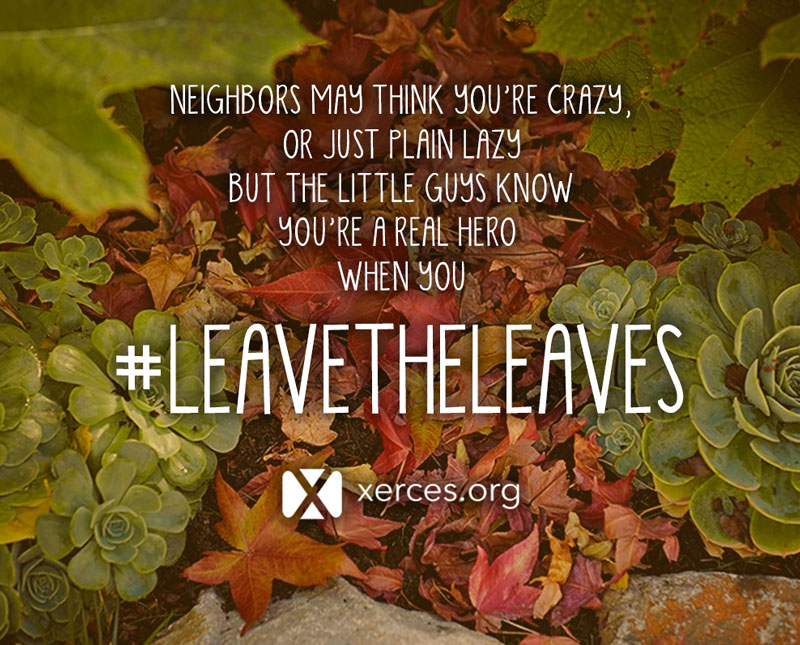
Leave the Leaves


Retirement has been a bigger adjustment that I thought. It's amazing when you have less to do, you get disorganized.

I think I am fairly well sorted out now and can get back to writing this blog and my other.

I came home today to see that our neighbor had blown all the leaves in his yard into ours. Why, thank you, neighbor!

He doesn't like leaves. He doesn't like mess. In fact, last year he tore out all his shrubbery and a month ago, he took down his two mature trees--an elm and a live oak--because they were messy.

Therefore, I know his actions were his passive/aggressive way to send me a message that he wants me to rake my leaves. You would think after living next to us for 12 years he would know the likelihood of that happening is about zero.

I do need to get out and pick up the leaves in the street in order to get them on the garden before the city street sweeper comes by to take them all away. I am not sure when that is going to happen since this weekend is busy, busy.

Personally, I don't rake at all, so we have a layer of leaves (read, "mulch") on our yard. I do sweep the leaves off the drive, sidewalks, and curbs to put on the garden to compost over the winter and to protect some of the herbs I overwinter (oregano and sage for examples). In the past, I have taken bags of leaves from our neighbors, but am a little more reticent now since most of our neighbors have taken to having a lawn treatment company spray their yards. Their yards have fewer weeds, but ours is greener (except in August, maybe).

Why leave the leaves? First, because it is good mulch. They provide good protection for plant roots and plants you want to keep alive over the winter. Secondly, by spring the leaves will have broken down quite a bit, fertilizing the soil. And lastly, they provide shelter for insects and their eggs/larvae/pupae. You can't have butterflies and moths if you through them away with your leaves.

If you truly can't stand to have leaves all over the yard, at least move them into places where they can do the most good. Flowerbeds to fertilize/protect bulbs and a back corner of your yard the neighbors can't see and complain about.

If you are looking for ways to improve your yard for pollinators and other wildlife, download this handout from the Xerces Society.

Tuesday, September 23, 2014

Pollinator Workshop

Penny speaking at the Pollinator Workshop at
River Bend Nature Center
We had a pretty good group for the Pollinator Workshop at River Bend Nature Center tonight.

We even had a couple of young people. One was working on an entomology project for Camp Fire. His proud mom told me he had won a prize in River Bend's photography competition for his photo of a parasitid wasp larvae in a caterpillar.  How cool is that?

Just a summary of a few of the main points of what we can do to help the pollinators.  I realize some of the points may not be clear without the background information in the presentation. All I can say it, "You should have been there!" Seriously...if you have questions, feel free to contact me off line at green.wichitafalls@gmail.com.

As individuals, we can:

  • Plant a pollinator friendly yard
    • Plant natives
    • Put in plants pollinators like
    • Plant varied types of flowers with varying flowering periods
    • Accept some losses
  • Provide nesting areas
  • Don't use (or use sparingly) poisons in your yard
  • Buy organic when possible
  • Use Save the Night practices
  • Advocate
As a citizen, we can help our community be more pollinator friendly by:
  • Being a smart consumer (money talks)
  • Encourage native plants at our workplaces and community areas (medians, for example)
  • Educate
  • Advocate

Good questions and discussion following.

Tuesday, August 26, 2014

Book Reviews: Bees, Bees, Bees!

As I noted in my last post, I will be doing a pollinators workshop at River Bend on September 23. I've been doing research to ensure I have the most current and accurate information possible, and I happened to receive two books about bees to review for Princeton University Press. I must be living right.

The first book, Bumble Bees of North America: An Identification Guide, is a review of all of the species of bumble bees in North America north of Mexico. We don't have a lot of bumble bees here (as I discovered in the book, bumbles bees like cooler temperatures--like me), so I was surprised at the numbers of bumble bee species in North America. We supposedly could expect to find three species of the possible 46 in our area (although that is not confirmed.)

The species accounts are interesting. As you would expect in an identification guide, there are pictures of the bees, range maps, and a discussion of their habitat, favorite plants and identifying characteristics. I was surprised at the variation in coloration of the same species of bumble bees, making identification more of a challenge than one might think. However, this little book was more than an identification guide, including their life cycle, how to attract bumble bees to your yard, specific plants to include in your landscape and conservation status and threats. Overall, a fascinating look at these important insects. If you are a "bug person" this would be an excellent addition to your library.

The second book I received from Princeton University Press was The Bee: A Natural History. As much as I enjoyed the bumble bee book, I have to say my geeky self liked this one even more. Although focused more on the honey bee, the book does include the solitary bees and bumble bees. The reason I like this book so well was that it is more than just an identification guide, but includes a lot of interesting information about bee biology and also more tangential topics such as bees in religion. Little snippets like this always draw my attention. Overall, a fascinating look at bees in all their diversity without being overly technical.

The book looks at bees worldwide. Consequently, it is not an in-depth review of bees in our area. If I could have done one thing to make the book more appealing to me personally, it would have been to have more US bees included in the directory portion of the book. But then, that isn't the focus of the book, so it is not a significant detractor and would have made the book too darn big--after all, there are 20,000 species of bees in the world and 4,000 native bee species in North America. This is another outstanding addition to the library of those interested in pollinators, especially the bees.

Christmas is coming up--either of these could be a wonderful gift for you naturalist friend/family member. And the prices won't break the bank either.

Pollinators Workshop Coming Up

Yours truly will be presenting a pollinators workshop at River Bend Nature Center on September 23, from 6:00 - 8:30 PM.

I'd love to meet all of you, so come on out. My goal is for you to be able to leave the workshop with ideas for your yard that will help these vital and under-appreciated animals. Although most people think of bees when they think of pollinators, we'll be covering more than just bees.

Tuesday, July 12, 2011

A Clever Idea


I came across this Bee-a-Thon to promote awareness of the plight of bees and other pollinators. Sounds like fun. I don't have 12 hours to sit online to learn more about bees, but I will probably check in, and I may decide to conduct a count. I think this is a clever idea to get people talking about an important topic.


If you check out the website, you'll find lots of resources and interesting information about bees and pollinators.


A reminder that there are lots of resources as well at the Xerces Society website (that reminds me, I need to get my membership renewal done.)

Friday, March 4, 2011

Book Review: Attracting Native Pollinators

On January 17, I announced a presale on Attracting Native Pollinators from the Xerces Society. I ordered a copy and received it a little over a week ago. I finally took some time to take a good look at it and all I can say is, "You gotta get a copy!"

The first thing that catches your attention is the pretty pictures. I'm perfectly capable of reading a non-illustrated book, but hey, I am not above becoming absorbed in beautiful pictures of flowers, butterflies, and bees. After all, it works for Birds and Blooms, doesn't it?

The book discusses why pollinators are important and why they're struggling. Then the authors' provide strategies for helping preserve and improve habitat from urban landscapes to parks and farms/ranches. The book also describes how to make a number of low cost pollinator shelters and suggests appropriate plants for your garden. If you don't feel ready to make the leap to design your own garden, they have plans for several layouts with regional lists of appropriate plants (to include ours.)

You can't go wrong with this book. For everyone trying to make our community a more liveable and sustainable place for both people and other living things, I highly recommend getting and using a copy. I bought mine from the Xerces Society since I am a member and support the organization, but I found the book on Amazon.com for cheaper, so feel free to go that route--just get one. Remember, if you purchase from Amazon consider accessing through Wild Bird Rescue's website, and they will receive a portion of the proceeds. I know that and seem to rarely remember.

Wednesday, February 9, 2011

Pollinator Gardens

I got an email today from the Xerces Society advertising bumble bee garden kits. Planting for wildlife is a great idea and certainly bumble bees and other pollinators are in trouble. However, not all of the plants included in this kit are native to this area. I suggest if you are interested in planting to provide habitat for pollinators in addition to butterflies and birds, you might print out the list of plants included in the kit and take it to one of the local nurseries and ask them what the native options for these plants would be.

Monday, January 17, 2011

Pollinators

Just like many other living things today, pollinators are having a rough time. However, since we rely on pollinators for our food supply, their struggle should be of special concern. I have a membership in the Xerces Society, which is concerned with the conservation of invertebrates and their habitat. The organization publishes a fascinating little magazine called Wings.

The Xerces Society has been a champion of pollinators for years. They have several publications for sale and for free at their website. Their newest publication, Attracting Native Pollinators, is available for presale now on their website. I bought my copy and can't wait for it to get here.

Whether you purchase the book or not, look over some of the other downloads and fact sheets and consider improving your yard habitat to support these important invertebrates.

Friday, August 14, 2009

Next Meeting of the North Texas Bird and Wildlife Club

The next meeting of the North Texas Bird and Wildlife Club is Tuesday, August 18, 7 PM at the NALC Building on Southwest Parkway (next to Wichita Valley Landscaping.)

I will be doing the program on pollinators. We will (briefly) talk about birds as pollinators, but the majority of the time, we'll be talking bees and other insect pollinators and their conservation. I will have a list of plants and other information about helping these important critters.

I also have the food detail--I am thinking of testing a few of the recipes we'll be including in the EcoFair Meat-less Cookbook by the Sierra Club.

Hope to see you on Tuesday!

Wednesday, August 5, 2009

Upcoming Pollinators Program

I will be presenting a program on pollinators at the next North Texas Bird and Wildlife Club meeting at 7:00 PM on August 18. The meeting will be at the NALC building on Southwest Parkway (next to Wichita Valley Landscaping.)

We'll be talking about the importance and conservation of pollinators. If you're interested in this topic and can't attend the meeting, I suggest the Pollinator's Home Page and the Xerces pollinator conservation page.